


What is a CO2 fire suppression system?
A CO2 fire suppression system is a fire protection system that releases carbon dioxide into a protected area to suppress a fire by reducing the oxygen available for combustion.
Because CO2 is non-conductive and leaves no residue, these systems are commonly used around electrical equipment, industrial machinery, power generation equipment and other applications where water or residue could damage valuable assets.
How does a CO2 fire suppression system work?
A CO2 fire suppression system works by releasing carbon dioxide gas into a protected area to displace oxygen, which is essential for combustion.
When a fire is detected, the system activates and discharges CO2 rapidly, reducing the oxygen concentration to a level that can no longer sustain the fire. Carbon dioxide is non-conductive and does not leave behind any residue, making it particularly effective for use in areas with sensitive equipment, such as data centers, power plants and marine vessels.
Upon fire detection, the control panel triggers the release of CO2 gas from the storage cylinders through a network of piping and nozzles, distributing the gas evenly throughout the area. At the same time an alarm is sounded to warn any occupants to leave the room immediately.
Due to its rapid and effective suppression properties, CO2 systems are ideal for environments where minimizing fire damage and ensuring continuity of operations are crucial. However, safety measures must be in place, as CO2 is hazardous to humans at high concentrations and CO2 levels above 5% are an asphyxiant.
Key Components of a CO2 Fire Suppression System
The key components of a CO2 fire suppression system include CO2 storage cylinders, discharge nozzles, piping networks, fire detectors and a control panel. The CO2 storage cylinders are designed to store carbon dioxide under high pressure until it is needed for fire suppression.
These cylinders are equipped with release valves that activate when the system detects a fire. The carbon dioxide then travels through a network of piping to reach strategically placed discharge nozzles, which ensure that the CO2 is evenly distributed throughout the protected area to extinguish the fire.
Where are CO2 fire suppression systems used?
CO2 fire suppression systems are commonly used across a wide variety of applications where rapid fire control is crucial and water-based systems may cause damage to equipment or materials. These systems are especially common in facilities with valuable or sensitive assets, as CO2 does not leave any residue after discharge.
Below are some key industries and environments where CO2 fire suppression systems are commonly deployed:
- Data Centers and Server Rooms: Protecting sensitive electronic equipment from both fire damage and water damage is critical in data centers, making CO2 an ideal fire suppression choice.
- Power Generation Facilities: Electrical hazards in power plants, such as turbines and transformers, benefit from the non-conductive properties of CO2.
- Marine Vessels: CO2 systems are used in engine rooms and cargo holds of ships, where space is confined and other suppression agents may be impractical.
- Industrial Manufacturing: Facilities with flammable liquids or combustible materials, such as chemical plants, often use CO2 systems to quickly suppress fires without contaminating products.
- Automotive Paint Booths: The highly flammable chemicals used in paint booths require fast-acting fire suppression that will not damage the painted surfaces or cause an unsafe environment.
These specialized applications highlight the flexibility and effectiveness of CO2 fire suppression systems in protecting valuable assets, preventing equipment downtime and minimizing fire-related damage.
Benefits of Using CO2 Fire Suppression Systems
CO2 fire suppression systems offer several benefits, making them a popular choice for environments where traditional fire suppression methods may not be suitable.
One of the key advantages is that carbon dioxide is a clean, residue-free extinguishing agent. Unlike water or foam-based systems, CO2 leaves no trace after discharge, which is crucial for protecting sensitive electronics, valuable equipment, and materials that could be damaged by water. This makes CO2 ideal for data centers, power plants, and manufacturing facilities that handle delicate machinery or valuable assets. CO2 has also been a proven gaseous fire suppression agent as far back as the beginning of the 1960's.
Another benefit of CO2 fire suppression systems is their rapid fire suppression capability. CO2 works by displacing oxygen and reducing it to a level where combustion cannot be sustained, effectively and quickly extinguishing a fire.
The system's ability to respond rapidly minimizes the spread of fire and potential damage, thereby reducing downtime and repair costs. Additionally, CO2 is non-conductive, making it safe for use in electrical environments where other fire suppression agents might pose a hazard.
Comparing CO2 Fire Suppression to Other Fire Protection Methods
When comparing CO2 fire suppression systems to other fire protection methods, it’s important to consider the specific needs of the environment being protected.
Unlike water-based systems, such as sprinklers, CO2 fire suppression does not leave behind any residue or water damage, making it ideal for areas containing sensitive electronic equipment or valuable materials that could be damaged by water. This makes CO2 systems preferable in data centers, power plants, and environments where avoiding collateral damage is essential.
Compared to chemical clean agent systems like FM-200 or Novec 1230, CO2 fire suppression systems are also more cost-effective and offer rapid extinguishing capabilities without leaving any residue. However, CO2 systems can be hazardous to humans at high concentrations, which makes them better suited for unoccupied areas or spaces where appropriate safety measures can be enforced. On the other hand, sprinkler systems and clean agents are safer for occupied areas but may not offer the same level of fire suppression speed and efficiency as CO2.
By understanding these differences, businesses can make informed decisions about the most suitable fire protection method based on their specific requirements.
What NFPA Standard Covers CO2 Fire Suppression Systems?
NFPA 12, Standard on Carbon Dioxide Extinguishing Systems, addresses the design, installation, maintenance and use of carbon dioxide fire-extinguishing systems. Facilities and fire protection professionals should consult the current edition of NFPA 12 along with applicable local codes and their Authority Having Jurisdiction (AHJ) when designing, testing or maintaining a CO2 suppression system.
These standards require full discharge tests and evacuation plans in order to ensure that the air be tested for normal levels before personnel can return to work.
See this video example of a co2 fire suppression system discharging to see what happens during testing. Another great example of CO2 fire suppression testing can be seen here.
Why Is CO2 Monitoring Important for Fire Suppression Systems?
CO2 monitoring can play an important role in facilities that use carbon dioxide for fire suppression. Because CO2 is colorless and odorless, personnel cannot rely on their senses to identify elevated concentrations following a discharge or detect a potential leak around CO2 storage equipment.
Fixed gas safety alarms and gas analyzers can be used to provide measurable data to help facility personnel, fire protection professionals and system technicians better understand CO2 concentrations in the surrounding environment.
CO2 measurement is also valuable during fire suppression system testing and verification. Depending on the application and applicable codes or requirements, professionals may need to measure and document CO2 concentrations during system testing. CO2 data loggers, gas analyzers, and fixed gas monitors can help provide the concentration data needed to evaluate system performance and identify potentially hazardous CO2 conditions.
Safety Considerations for CO2 Fire Suppression Systems
Safety considerations for CO2 fire suppression systems are essential, as carbon dioxide can be hazardous to humans at high concentrations. CO2 works by displacing oxygen, which effectively suppresses a fire but can also pose significant risks to personnel in the protected area. Therefore, CO2 fire suppression systems are generally recommended for unoccupied spaces or areas where stringent safety protocols can be implemented to ensure human safety. It is crucial that all personnel are trained in safety procedures, including evacuation protocols, to avoid exposure to CO2 during discharge.
Key safety measures include:
- Warning Alarms: Audible and visual alarms are installed to alert individuals before CO2 is discharged, ensuring they have time to evacuate.
- Manual Pull Stations and Abort Switches: These allow personnel to delay or abort system activation if people are still present in the protected area.
- Proper Ventilation: Effective ventilation should be in place to quickly dissipate CO2 after discharge, allowing for safe reentry.
- Training for Personnel: Regular training in safety procedures, including evacuation plans and system operation, is essential to ensure everyone knows how to respond in an emergency.
These safety considerations help ensure that while the CO2 fire suppression system effectively controls fires, it also minimizes the risk to human health, making it a reliable choice for fire protection in controlled environments.

To protect human life in an emergency, facilities that use CO2 as a fire suppressor are required by regulatory agencies to follow the National Fire Protection Association (NFPA) standards for design, installation and testing of CO2 systems. These standards include requirements for full discharge tests and an evacuation plan for personnel. Once the fire emergency is over, the standard requires the air be tested for normal CO2 levels before personnel can return to work.
NFPA 12 lays out very clear standards for how a fire suppression system must be tested including the speed at which specified concentration levels of CO2 are achieved and how long those levels are maintained.
The recommended CO2 level in buildings should be no more than 700 parts per million (ppm) above outdoor air. Since outdoor air is approximately 400ppm, indoor CO2 levels should be no more than 1,100ppm. If the levels are higher than average, proper ventilation is required to suffice to ensure safety.
By measuring the CO2 levels both vertically and horizontally over time, the installer can draw a 3-dimensional map of the affected area, and can furthermore determine when it is safe to re-enter the space. Additionally, this data may be required by insurance carriers and regulated by local and national agencies. This means an individual will have to complete three tests one at each height in the discharge space OR purchase three devices to measure the different heights during a single test for efficacy.
What Happens After a CO2 Fire Suppression System Discharges?
After a CO2 fire suppression system discharges, carbon dioxide may remain at elevated concentrations within the protected space. Personnel should follow the facility's established emergency procedures and applicable fire protection requirements before re-entering the area. Ventilation may be necessary to remove accumulated CO2 and restore the space to acceptable conditions.
Because carbon dioxide cannot be seen or smelled, measuring gas concentrations provides objective information about conditions inside or around the protected area. Portable analyzers and fixed gas detection systems can be used in appropriate applications to monitor CO2 concentrations, while oxygen monitoring may also be relevant where oxygen-deficiency hazards exist.
It's important to always follow the system manufacturer's instructions, applicable codes, and the facility's established re-entry procedures.
Do CO2 Fire Suppression Systems Require Gas Detection?
Gas detection requirements for facilities using CO2 fire suppression systems can vary based on the system design, application, occupancy, CO2 storage configuration, local codes, and requirements established by the authority having jurisdiction (AHJ). NFPA 12 provides requirements for carbon dioxide extinguishing systems, while additional fire, building, occupational safety, or local requirements may also apply to a specific installation.
Even where a fixed CO2 monitor is not specifically required, facilities storing significant quantities of carbon dioxide may use gas detection as an additional safety measure to identify leaks or elevated concentrations. A fixed CO2 safety monitor can provide continuous monitoring and audible or visual alarms when preset thresholds are reached, helping alert personnel to changing conditions around CO2 storage and equipment.
Explore Fixed CO2 Gas Safety Monitors.
CO2 Fire Suppression System Products
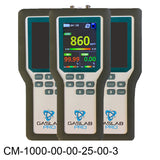
Our CO2 Sampling Data Logger remains the most trusted 100% CO2 data logger in the field because it exceeds the NFPA requirements for specific codes and tests. Furthermore, it was designed to simultaneously measure multiple gas concentrations using fast and accurate sampling methods while also data logging.
To implement this NFPA set testing, CO2Meter.com has worked with several industry professionals to provide devices like the CM-1000 in order to test and verify CO2 levels. In addition, we have worked with worldwide fire protection and industrial companies like TYCO-SimplexGrinnell, ORR Protection, and Mitsubishi Hitachi Power to design a device that meets all the standards for CO2 fire suppression laid out in NFPA 12.
Some permitting/regulatory agencies may require an oxygen depletion test as well which will validate the absence of oxygen in the space. These tests are often requested as back-up data to the initial CO2 test or as testing when other inert gases like Argon or Nitrogen are used as a suppressant. In these cases we recommend our 0-25% Oxygen Sampling Data Logger.
Additionally, some fire inspectors are starting to require the addition of a fixed CO2 monitor where the high-pressure CO2 cylinders or low-pressure bulk storage tanks are housed. Storing the massive amount of gases required to operate a suppression system leaves the end user susceptible to potential CO2 leakage. While neither the NFPA nor the International Fire Code have yet to expand CO2 monitoring requirements beyond beverage delivery systems both organizations are considering language that would expand the monitoring requirement to all stored gases.
In these cases where a fixed monitor is required we recommend our Remote CO2 Storage Safety Three Alarm Monitor or our Remote Oxygen Depletion Safety Alarm.
Is a CO2 Fire Suppression System Right for Your Business?
Determining whether a CO2 fire suppression system is right for your business depends on the specific fire risks and operational needs of your facility.
CO2 fire suppression systems are particularly well-suited for environments where traditional water-based systems could cause damage, such as data centers, power plants, or industrial facilities with sensitive machinery. Since CO2 leaves no residue and is non-conductive, it is ideal for protecting valuable assets, equipment, and materials that could be compromised by water or chemical agents.
If your business handles electrical components, flammable liquids, or operates in an environment where avoiding collateral damage from fire suppression is critical, a CO2 system may be the best choice. For more information regarding fire suppression testing and CO2 safety equipment, contact a CO2Meter expert today.
Frequently Asked Questions About CO2 Fire Suppression Systems
What is a CO2 fire suppression system?
A CO2 fire suppression system uses carbon dioxide to suppress fires by reducing the oxygen available to sustain combustion.
Are CO2 fire suppression systems dangerous to people?
CO2 can create a serious exposure hazard at elevated concentrations. Facilities using CO2 suppression systems should implement appropriate alarms, evacuation procedures, training, ventilation, and other safeguards based on the system and applicable requirements.
What standard covers CO2 fire suppression systems?
NFPA 12 is the National Fire Protection Association standard specifically addressing carbon dioxide extinguishing systems.
Where are CO2 fire suppression systems commonly used?
Applications can include power generation facilities, industrial manufacturing environments, marine applications, machinery spaces, and locations containing equipment that could be damaged by water or suppression residue.
How are CO2 fire suppression systems tested?
Testing requirements depend on the system and applicable standards. CO2 measurement equipment may be used during certain testing and verification procedures to measure and document gas concentrations.
Can CO2 monitors detect leaks from fire suppression cylinders?
A properly selected and installed CO2 monitor can continuously measure carbon dioxide concentrations in an area and alert personnel when programmed alarm thresholds are reached.
- “Standard on Carbon Dioxide Extinguishing Systems, NFPA 12-2018,” American National Standards Institute, February 2, 2018
- “NFPA 2001: Standard on clean agent fire extinguishing systems," NFPA, Quincy, MA, Annex C, 2008
- “ISO 14520-1: Gaseous fire extinguishing systems - physical properties and system design – ISO, Switzerland, Annex E, 2006
- “A Modified Hold Time Model for Total Flooding Fire Suppression” Fire Safety Journal, Vol. 45 (1), 12-20, 2010.
- “Hypoxic Air for Fire Prevention,” Wikipedia.

